Pruning Techniques
Pruning is a fundamental practice in tree and shrub care. This guide outlines methods, timing considerations, and procedural steps for effective pruning work.
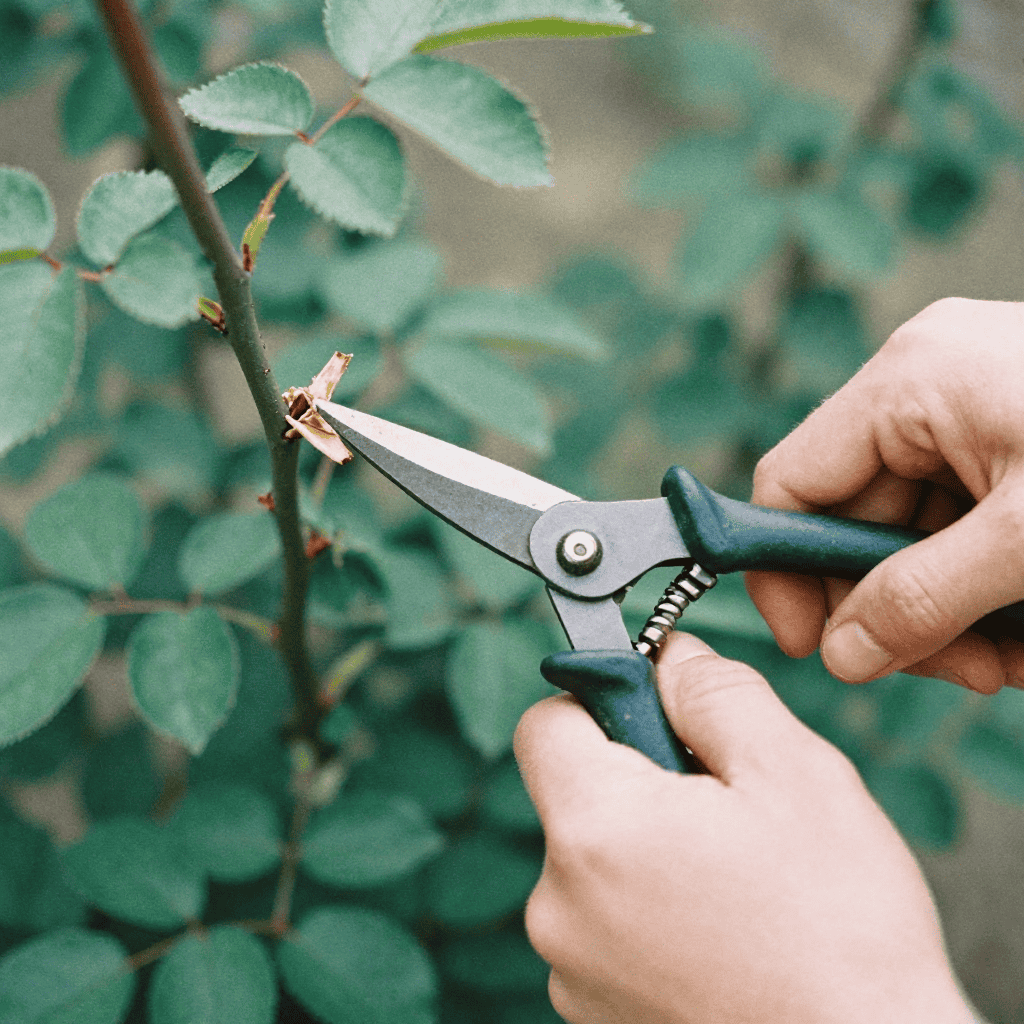
Assessment and Planning
Begin by examining the plant's current condition, structure, and health status. Identify branches that are dead, diseased, damaged, or structurally problematic. Consider the plant's natural growth habit and how pruning will affect future development.
Determine pruning objectives: removal of problematic branches, size management, density reduction, or structural improvement. Plan cuts to support these objectives while maintaining overall plant health and natural form.
Check for signs of disease, pest activity, or stress. Address any health issues before proceeding with structural pruning. Consider seasonal timing appropriate for the species.
Tool Selection and Preparation
Select appropriate tools based on branch size and access requirements. Hand pruners handle branches up to 2.5cm diameter. Loppers work for branches up to 5cm. Pruning saws are needed for larger branches.
Ensure all tools are clean and sharp. Disinfect cutting surfaces if working on diseased material. Sharpen blades as needed to ensure clean cuts that minimize plant stress and support healing.
Have all necessary tools accessible before beginning work. This includes cutting tools, safety equipment, and any materials needed for cleanup or disposal.
Making Proper Cuts
For branch removal, locate the branch collar where the branch meets the trunk or parent branch. Make cuts just outside the collar, preserving this natural boundary zone that contains tissues important for healing.
Use the three-cut method for larger branches: first cut on the underside to prevent bark tearing, second cut to remove most of the branch weight, final cut at the branch collar. This prevents damage to the trunk or parent branch.
Make cuts cleanly without leaving stubs or cutting into the branch collar. Angled cuts are generally not necessary; straight cuts at the collar are preferred. Ensure cutting tools are appropriate for branch size to avoid crushing or tearing.
Thinning and Density Management
Thinning involves selective branch removal to reduce density and improve light penetration and air circulation. Remove branches at their point of origin rather than shortening them, which maintains natural form while reducing density.
Focus on removing crossing branches, weak attachments, and branches that contribute to excessive density. Maintain the plant's natural shape while opening the canopy. Avoid removing more than 25% of live branches in a single season.
Consider the plant's response: some species respond to thinning with vigorous new growth, while others maintain reduced density. Adjust approach based on observed responses and species characteristics.
Size Reduction Pruning
When managing plant size, use reduction cuts that remove branches back to lateral branches capable of assuming terminal roles. This maintains natural form better than heading cuts that create multiple competing leaders.
Select appropriate laterals that are at least one-third the diameter of the branch being removed. These laterals should be well-positioned and healthy. Make cuts just beyond the lateral branch collar.
Gradual size reduction over multiple seasons is generally preferable to severe reduction in a single session. This allows the plant to adjust gradually and reduces stress responses.
Timing Considerations
Deciduous trees are often pruned during dormancy when structure is visible and the plant is not actively growing. This timing reduces stress and allows assessment of branch structure without foliage obstruction.
Some species have specific timing requirements. Spring-flowering shrubs are typically pruned after flowering to preserve bloom. Summer-flowering species may be pruned in late winter or early spring.
Avoid heavy pruning during active growth periods unless addressing immediate safety concerns. Light maintenance pruning can occur throughout the growing season as needed.
Aftercare and Monitoring
After pruning, monitor cut sites for proper healing. Healthy plants will form callus tissue that gradually covers cut surfaces. This process occurs naturally and typically does not require intervention.
Keep pruned plants adequately watered during recovery periods, especially during dry conditions. Avoid excessive fertilization immediately after pruning, as this can stimulate unwanted growth responses.
Observe plant responses over subsequent growing seasons. Adjust future pruning practices based on how plants respond. Document what works well for specific species and conditions.
Safety Considerations
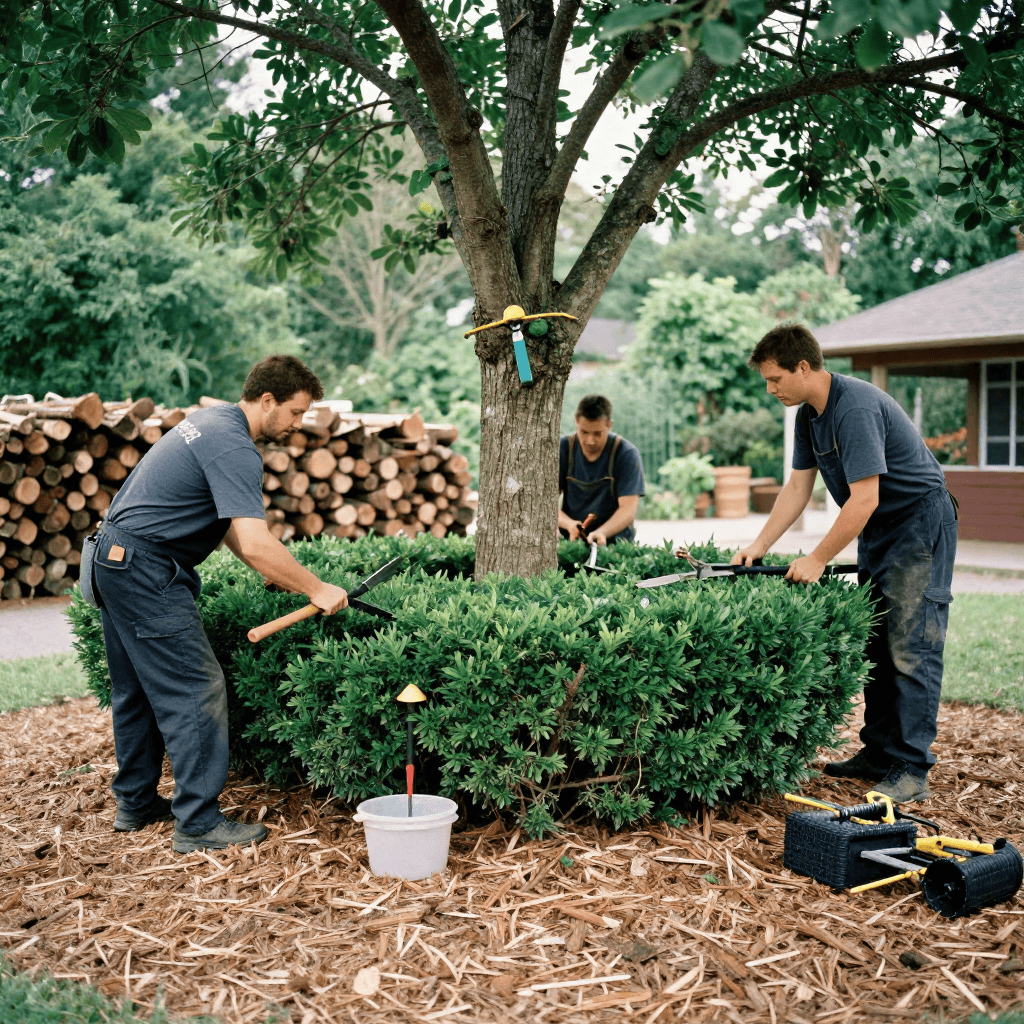
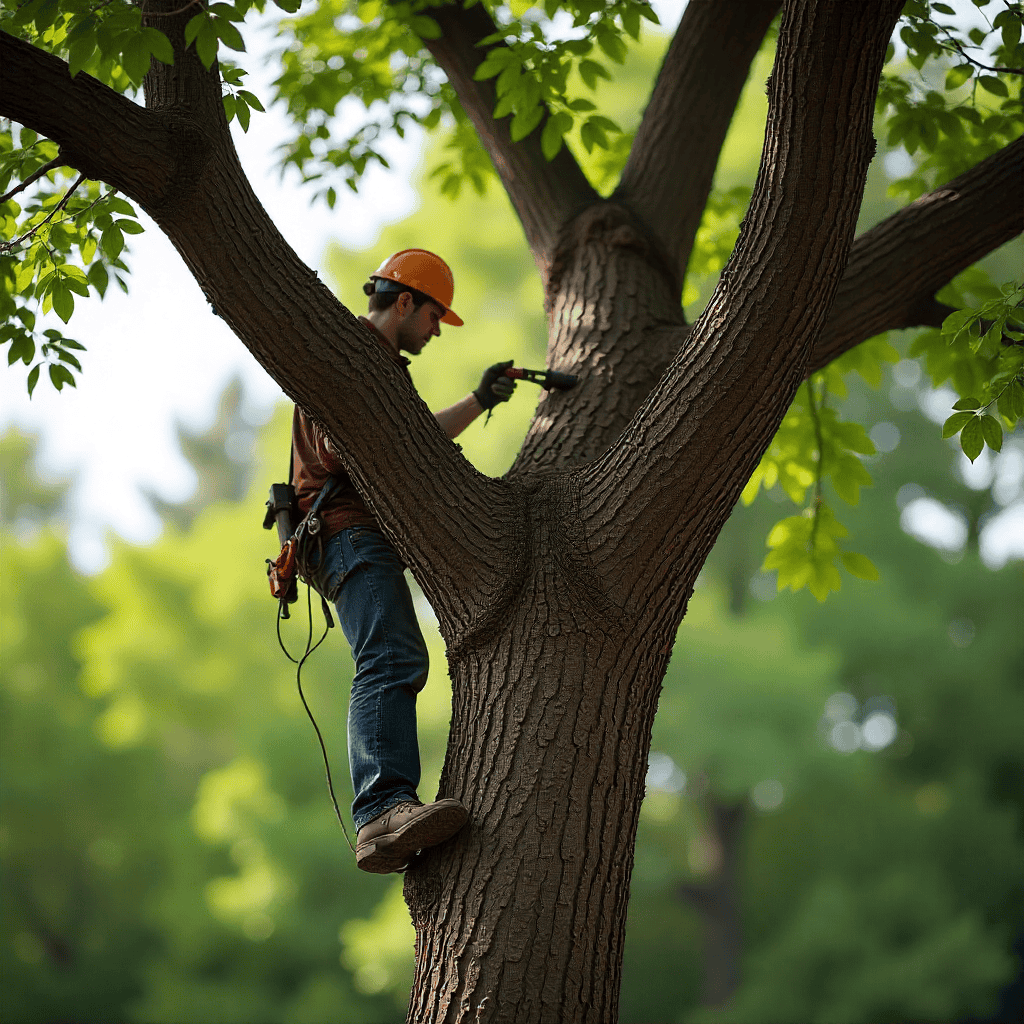
Safety is paramount in all pruning activities. Assess work areas for hazards including power lines, unstable branches, and difficult access. Use appropriate personal protective equipment including gloves, eye protection, and sturdy footwear.
Work within your skill level and equipment capabilities. For high branches or complex situations, consider professional assistance. Maintain awareness of surroundings and ensure safe footing throughout work.
Common Pruning Mistakes
Over-Pruning
Removing too much live tissue in a single session stresses plants and can lead to poor recovery. Limit removal to appropriate percentages based on species and condition.
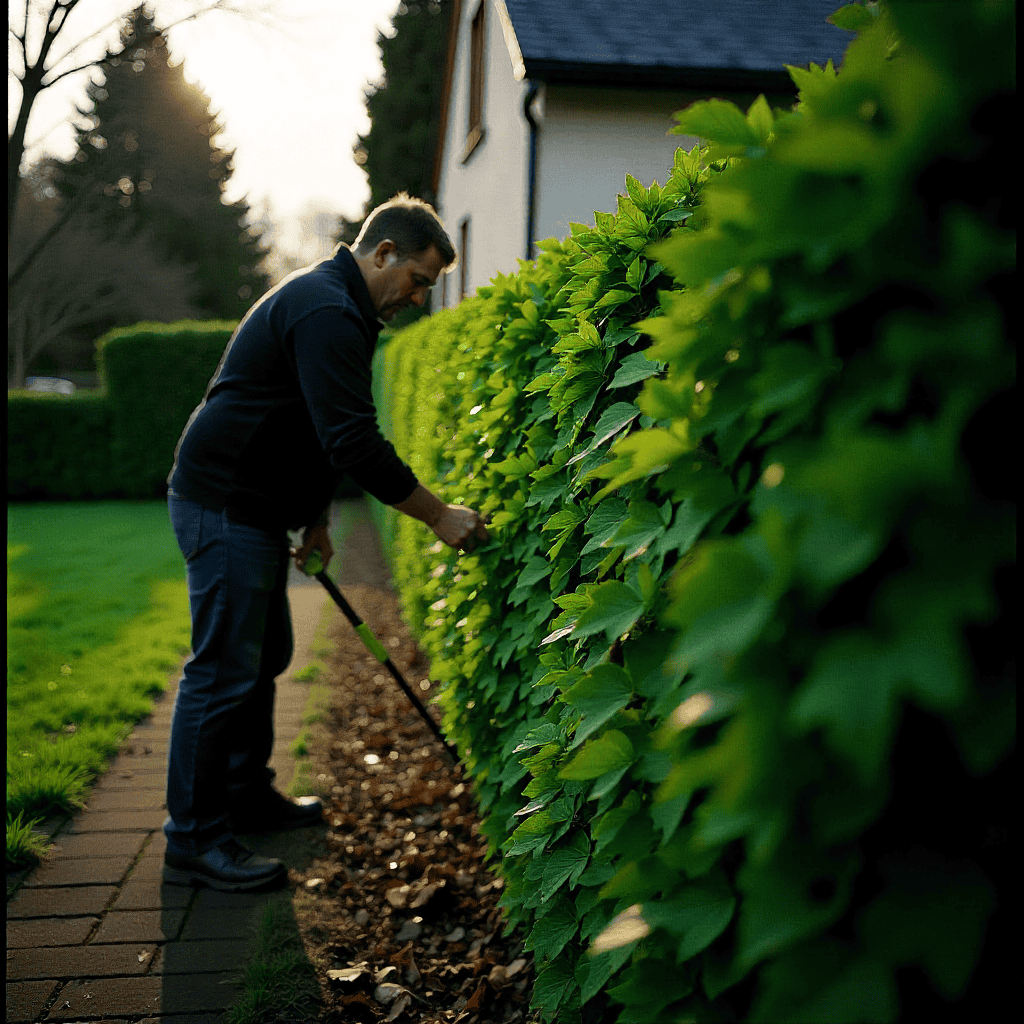

Improper Cuts
Leaving stubs or cutting into branch collars interferes with natural healing. Make clean cuts at proper locations to support recovery processes.
Species-Specific Guidelines
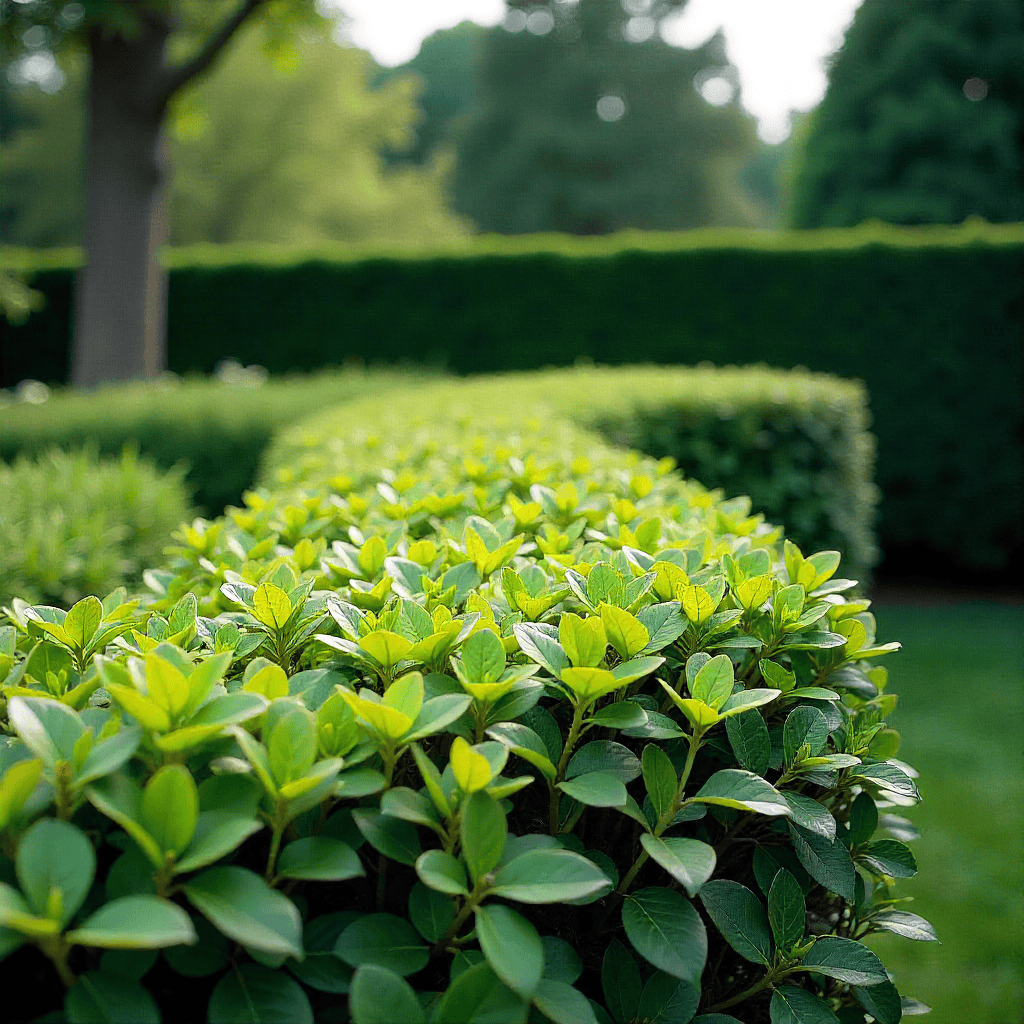
Deciduous Trees
Often pruned during dormancy when structure is visible and plants are less active.
Evergreens
Require different timing considerations and often benefit from light, regular pruning.
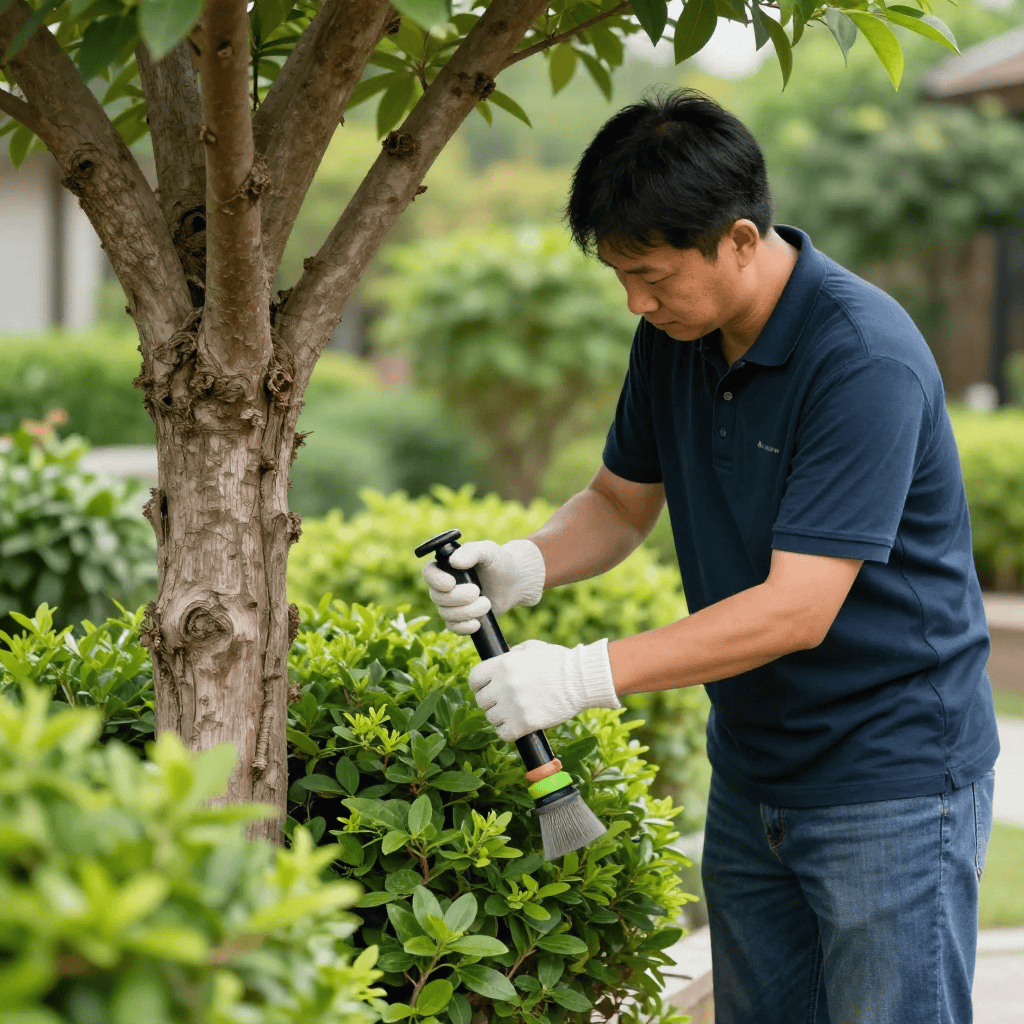
Flowering Shrubs
Timing depends on bloom period to preserve next season's flowers.
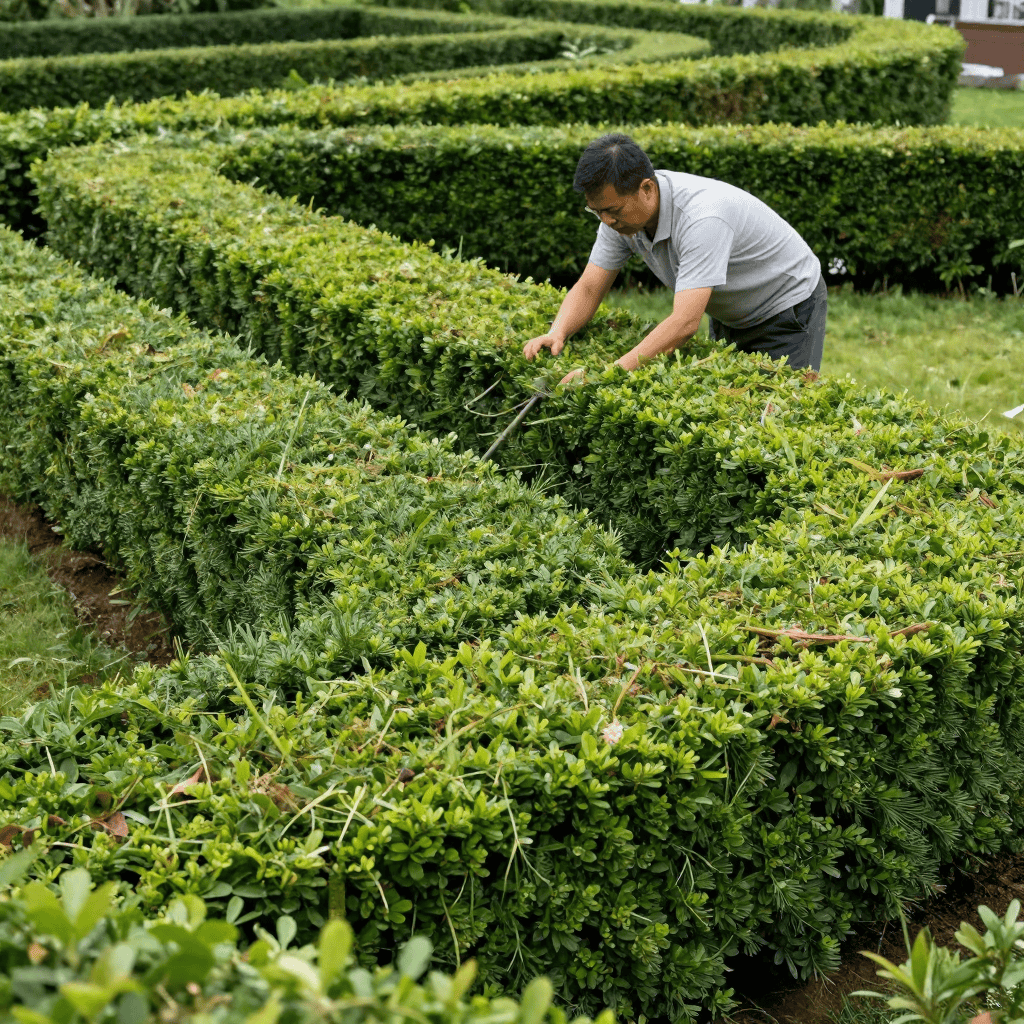
Hedges
Regular maintenance trimming maintains form and encourages dense growth.
Pruning Resources
Continuing education and reference materials support effective pruning practices. Consider attending workshops, consulting guides, and learning from experienced practitioners.
Building knowledge through study and practice improves technique application and plant care outcomes. Regular learning ensures methods align with current best practices.
Long-Term Pruning Strategy
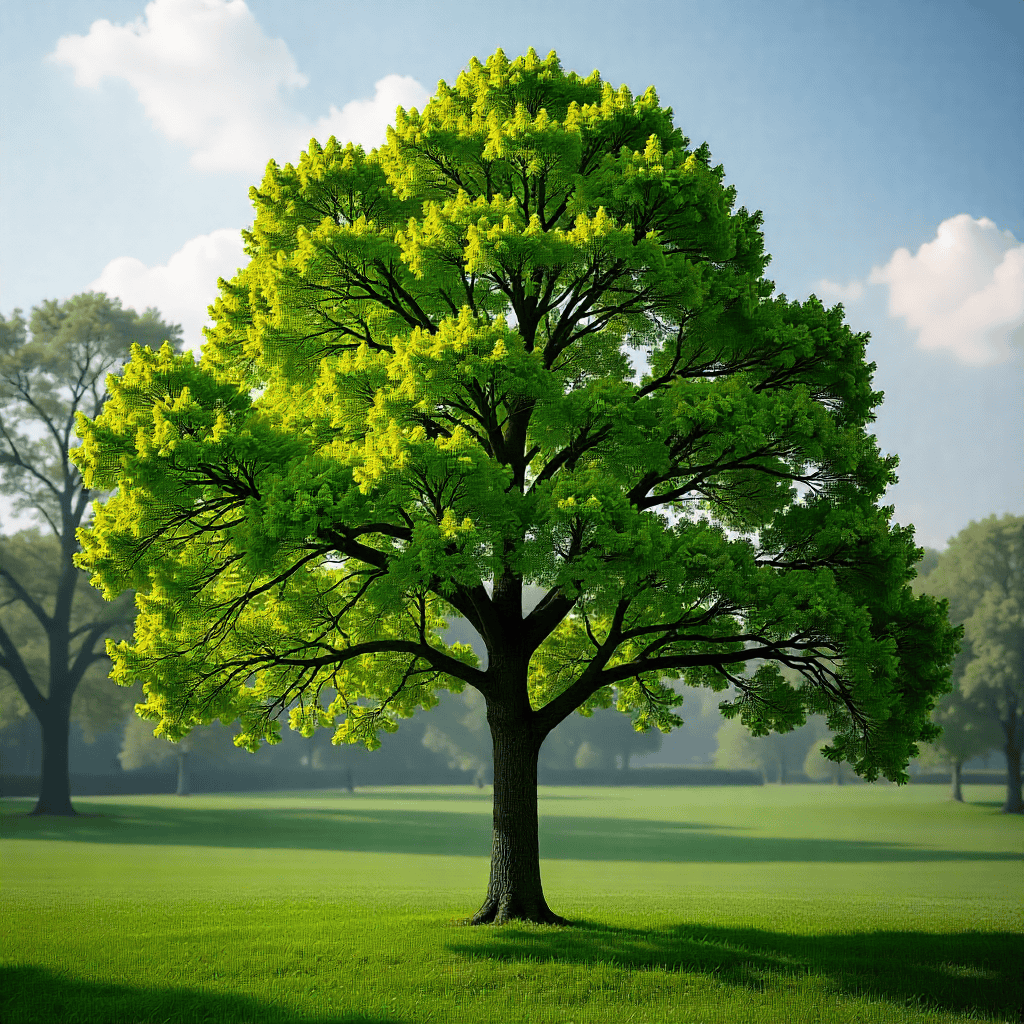
Effective pruning involves long-term planning and strategic thinking. Consider how current pruning decisions affect future plant development and structure.
Plan pruning activities over multiple seasons rather than attempting comprehensive changes in a single session. Gradual approaches support plant health and allow for observation of responses.