Seasonal Care Guide
Tree and shrub care requirements change throughout the year in USA's climate. This guide outlines seasonal considerations and maintenance activities.
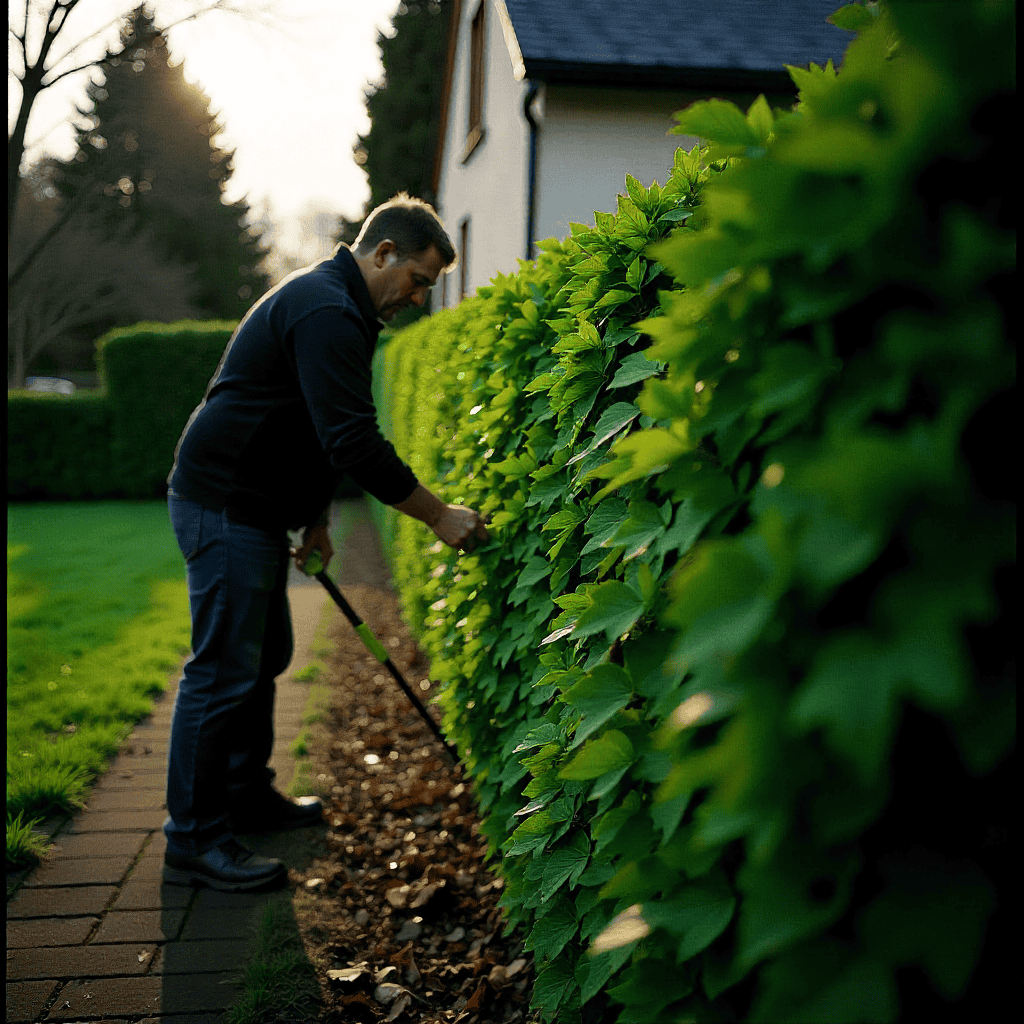
Spring Care (March - May)
Assessment and Evaluation
Begin the season by assessing winter condition of trees and shrubs. Look for damage from cold, snow load, or ice. Check for broken branches, bark damage, or signs of stress. Document any issues that need attention.
Pruning Activities
Complete major pruning of deciduous trees before bud break when structure is still visible. Prune spring-flowering shrubs after they finish blooming to preserve next year's flower buds. Remove any winter-damaged branches promptly.
Health Monitoring
Monitor for early signs of disease or pest activity. Address issues promptly before they become established. Check soil conditions and drainage as snow melts and spring rains begin.
Preparation
Service and sharpen tools in preparation for active growing season. Check equipment condition and replace or repair as needed. Organize materials and plan seasonal work schedule.
Summer Care (June - August)
Water Management
Monitor water needs during warm, dry periods. Established trees typically need deep, infrequent watering rather than frequent light applications. New plantings may require more consistent moisture. Adjust based on rainfall and soil conditions.
Growth Management
Light pruning of fast-growing species may be needed to maintain desired size or shape. Remove water sprouts and suckers as they appear. Keep hedges trimmed to maintain form throughout growing season.
Ongoing Monitoring
Continue monitoring for health issues including disease, pests, and stress symptoms. Address problems as they arise rather than waiting. Document observations for future reference.
Tool Maintenance
Keep tools clean and sharp during active use. Clean cutting surfaces after working on diseased material. Maintain tool condition to ensure quality work and reduce plant stress.
Autumn Care (September - November)
Pruning Completion
Complete major pruning work before plants enter dormancy. This allows cuts to begin healing before winter. Focus on structural pruning and removal of problematic branches. Avoid heavy pruning late in season that might stimulate new growth.
Leaf Management
Remove fallen leaves if they show signs of disease to prevent overwintering of pathogens. Healthy leaves can be left in place or composted. Consider leaf removal from areas where they might smother groundcovers or create drainage issues.
Winter Preparation
Prepare sensitive species for winter conditions. This may include protection measures for tender plants, mulching around root zones, or other site-specific preparations based on plant needs and local conditions.
Tool Service
Service and store tools properly for winter. Clean all tools thoroughly, sharpen as needed, and apply protective coatings to prevent rust. Store in dry location where they will be ready for next season.
Winter Care (December - February)
Dormant Pruning
Prune deciduous trees when structure is visible without foliage. This is ideal time for structural assessment and major pruning work. Focus on removing dead, damaged, or problematic branches. Plan cuts carefully when structure is clearly visible.
Protection Measures
Protect sensitive species from cold damage using appropriate methods for local conditions. Monitor plants during extreme cold events. Check for damage from snow or ice accumulation and address as needed.
Planning and Preparation
Use winter months to plan next season's work. Review notes from previous seasons, identify areas needing attention, and develop work schedules. Order materials or schedule services as needed.
Equipment Maintenance
Complete equipment maintenance and repairs during slower winter period. Service power equipment, replace worn parts, and ensure all tools are ready for spring. Organize work areas and inventory supplies.
Year-Round Considerations
Species-Specific Needs
Different species have varying requirements throughout the year. Evergreen species have different timing considerations than deciduous plants. Flowering species require attention to bloom cycles when scheduling pruning.
Site Conditions
Local microclimates, soil conditions, and exposure affect seasonal care timing. Adjust schedules based on observed conditions rather than strictly following calendar dates. Monitor site-specific factors that influence plant health.
Documentation
Maintain records of seasonal activities, observations, and plant responses. This information helps refine care practices over time and supports long-term plant health management.